
Types of Pilates Exercises: Mat vs. Reformer Pilates - Which is Right for You?

Updated: Sep 8
Choosing between Reformer Pilates vs. Mat Pilates can feel overwhelming if you are new to the practice. While both styles are designed to build strength and improve body awareness, they offer very different mechanical experiences. Understanding these can help you choose the right path for your fitness journey.
Pilates is more than just exercise. It’s a way to build strength, improve flexibility, and enhance your mind-body connection. Whether you want to tone your muscles, recover from injury, or simply feel better in your body, Pilates can help. Let’s explore the differences between mat and reformer Pilates so you can find the perfect fit.
Understanding the Different Types of Pilates Exercises
Pilates exercises come in many forms, but mat and reformer Pilates are the most common. Both focus on core strength, posture, and controlled movements. However, the equipment and style vary significantly.
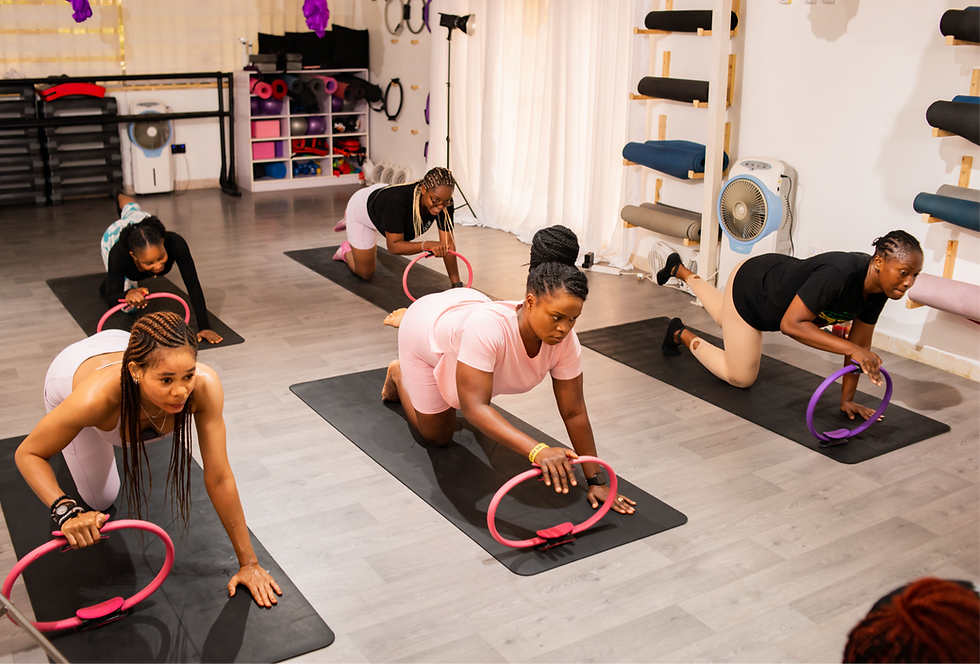
Mat Pilates is done on a cushioned mat using your body weight for resistance. It’s accessible and requires minimal equipment, making it easy to practice at home or in a studio. You’ll perform exercises like the hundred, roll-up, and leg circles, all designed to engage your core and improve flexibility.
Reformer Pilates uses a specialized machine called a reformer. This device has a sliding carriage, springs, straps, and pulleys that add resistance and support. The reformer allows for a wider range of motion and can target muscles more precisely. It’s excellent for rehabilitation, strength building, and adding variety to your routine.
Both types offer full-body workouts, but the experience and intensity can differ. Knowing these differences helps you decide which style fits your goals and lifestyle.

What Is Mat Pilates?
Mat Pilates is the classic foundation of the system. It uses your own body weight and gravity for resistance. Because there is no equipment to guide your movements, Mat Pilates focuses heavily on internal control, deep core engagement, and spinal alignment.
Many beginners in Abuja start with Mat Pilates to develop the foundational strength required to stabilize the body. It is a powerful way to learn how to manage your own physical alignment and build a resilient core without needing complex machinery.
What Is Reformer Pilates?
Reformer Pilates uses a specialized machine equipped with a sliding carriage, springs for adjustable resistance, and pulleys. When comparing Reformer Pilates vs. Mat Pilates, the Reformer is often the preferred tool for those managing real physical conditions.
The machine acts as a partner, assisting your movement where you are weak and providing resistance where you need to build strength. Because the Reformer supports your weight, it can make movement safer for those who find floor-based exercise difficult due to joint pain or limited mobility.

Benefits of Mat Pilates
Convenience: You only need a mat, so you can practice anywhere.
Cost-effective: Classes or videos are usually less expensive.
Core focus: Many mat exercises target deep core muscles.
Improves flexibility and balance: The movements encourage lengthening and control.
Great for beginners: You can start at your own pace and modify exercises easily.
Foundational Strength: Teaches you to stabilize your spine using your own body weight.
Body Awareness: Enhances your connection to your breath and your physical alignment.
Benefits of Reformer Pilates
Resistance training: Springs provide adjustable resistance for muscle strengthening.
Support and alignment: The reformer helps maintain proper form, reducing injury risk.
Variety of exercises: You can work standing, sitting, or lying down with different challenges.
Rehabilitation-friendly: Ideal for injury recovery and physical therapy. The straps and pulleys ensure you are engaging the right muscles, making it a "surgical" tool for recovery.
Increased range of motion: The machine allows for deeper stretches and movements.
Both types improve posture, reduce stress, and enhance body awareness. Your choice depends on your fitness level, goals, and access to equipment.
Is Reformer Pilates Easier Than Mat?
You might think the reformer makes Pilates easier because it supports your body, but the truth is more nuanced. The reformer can both assist and challenge you, depending on the springs’ tension and the exercises you do.
For some, reformer Pilates feels easier because the machine helps with balance and alignment. It can reduce strain on joints and muscles, making it accessible for people with injuries or limited mobility. The support allows you to focus on precise movements without worrying about falling or losing control.
On the other hand, reformer Pilates can be more challenging because it adds resistance. You engage muscles differently than on the mat, often working harder to control the carriage and springs. Some exercises require coordination and strength that might feel tougher than mat work.
Mat Pilates demands more from your body’s stabilizers since you rely solely on your weight. It can feel harder if you lack core strength or balance. However, it also builds these areas effectively over time.
Ultimately, neither is strictly easier or harder. It depends on your body, experience, and the specific exercises you choose. Trying both can help you discover which feels right for you.

How to Choose Between Mat and Reformer Pilates
Deciding between mat and reformer Pilates involves considering your personal needs and circumstances. Here are some questions to guide you:
What are your fitness goals?
If you want to build core strength and flexibility with minimal equipment, mat Pilates is a great start.
If you seek muscle toning with resistance and variety, reformer Pilates might be better.
Do you have any injuries or physical limitations?
Reformer Pilates offers support and can be gentler on joints.
Mat Pilates can be modified but may require more body control.
What is your budget and access to equipment?
Mat Pilates is affordable and easy to do at home.
Reformer Pilates usually requires studio classes or investing in a machine.
How much time can you commit?
Mat Pilates sessions can be shorter and more flexible.
Reformer Pilates classes often have set schedules.
Do you prefer group classes or solo practice?
Mat Pilates can be done alone or in groups.
Reformer Pilates often involves instructor guidance for safety.
If you’re still unsure, consider trying a few classes of each. Many studios offer introductory sessions. This hands-on experience will help you feel the difference and decide what suits your body and lifestyle.
For more detailed comparisons, check out this helpful resource on mat pilates vs reformer pilates.
Integrating Pilates into Your Wellness Routine in Abuja
Pilates is a perfect complement to a holistic wellness plan. In Abuja, where wellness is gaining momentum, combining Pilates with nutrition and mindfulness can transform your health.
Here’s how to make Pilates part of your daily life:
Set realistic goals: Start with two to three sessions per week. Consistency matters more than intensity.
Mix Pilates with other activities: Walking, yoga, or swimming can enhance your fitness.
Focus on nutrition: Fuel your body with balanced meals to support muscle recovery and energy.
Practice mindfulness: Pilates encourages body awareness, so pair it with meditation or breathing exercises.
Use local resources: Join Pilates classes at wellness centers or find online sessions tailored to your level.
Ophil Wellness in Abuja offers a welcoming space where you can explore Pilates alongside other wellness services. Their approach combines physical fitness, nutrition advice, and mindfulness practices to help you reach your health goals.
By choosing the right type of Pilates and integrating it into your lifestyle, you’ll enjoy improved strength, flexibility, and overall well-being.
Embrace Your Pilates Journey Today
Whether you lean towards mat Pilates or reformer Pilates, the most important step is to start. Pilates is adaptable and welcoming to all fitness levels. It’s about progress, not perfection.
Remember, your body is unique. Listen to it, respect its limits, and celebrate its strengths. With patience and practice, Pilates can become a joyful part of your wellness routine.
Explore the options, try new exercises, and enjoy the journey to a healthier, more balanced you. Your path to holistic well-being in Abuja begins with a single step on the mat or the reformer.
Start Your Journey at Ophil
Wellness belongs to everyone. Whether you choose Reformer Pilates vs. Mat Pilates, our goal is to provide the expert guidance you need to feel at home in your body again.
Ready to find out which style is right for your body?
Explore Our Class Schedule or Book a Consultation to discuss your specific history and goals with our team.


Comments