
Top Techniques for Achieving Ultimate Relaxation

In today’s fast-paced world, finding time to relax is essential for our well-being. Stress and anxiety can take a toll on our mental and physical health, making relaxation techniques more crucial than ever. One effective way to unwind is through relaxation methods that engage the body and mind. This post explores top techniques for achieving ultimate relaxation, with a special focus on Swedish massage, an age-old practice that can lead to profound tranquility.

What is Swedish Massage?
Swedish massage is one of the most popular forms of massage therapy. It involves using long strokes, kneading, and circular movements on the top layer of muscles. This technique benefits many by promoting relaxation, improving circulation, and alleviating muscle tension. It’s perfect for anyone looking to escape the stresses of daily life.
Additionally, this type of massage is often recommended for those experiencing chronic pain or stiffness. It's particularly effective for heightening relaxation by reducing cortisol levels and increasing the body's endorphins.

Techniques to Foster Relaxation
Incorporating various relaxation techniques into your routine can enhance your sense of peace and overall wellness. Here are some effective methods:
1. Deep Breathing Exercises
Deep breathing is a foundational technique for relaxation. By focusing on your breath, you can slow down your heartbeat and lower your blood pressure. Here’s how to practice deep breathing:
Find a quiet place where you won’t be disturbed.
Sit or lie comfortably and close your eyes.
Inhale slowly through your nose for a count of four.
Hold your breath for four counts.
Exhale slowly through your mouth for a count of six to eight.
Repeat this cycle for five to ten minutes. Research has shown that this practice can decrease anxiety levels significantly.

2. Progressive Muscle Relaxation
Progressive muscle relaxation (PMR) is another technique that can help you release tension throughout your body. This method involves tensing and then relaxing different muscle groups, allowing you to notice where you hold stress. Here’s a simple way to do it:
Start at your toes. Tense the muscles for five seconds.
Relax the muscles and notice the difference in sensation.
Move up to your calves, thighs, and continue to your entire body.
This technique not only aids in identifying areas of tension but also promotes overall relaxation.
3. Mindfulness Meditation
Mindfulness meditation helps you stay present in the moment, which can alleviate worries about the past or future. Here’s how to practice mindfulness meditation:
Find a comfortable position and close your eyes.
Focus on your breath or a specific word or phrase.
If your mind wanders, gently redirect your focus back to your breath.
Aim to meditate for at least 10 minutes daily.
Studies have shown that regular mindfulness practice can lead to significant reductions in stress and improvements in mood.
4. Warm Baths or Showers
Warm baths or showers can offer an immediate sense of relaxation. The warm water helps to relax your muscles and soothe tension. For an even more relaxing experience, consider adding aromatherapy oils like lavender or eucalyptus. Here’s a simple bath routine:
Set the mood with candles or soft music.
Fill the tub with warm water and add a few drops of essential oils.
Soak for 20-30 minutes, focusing on your breath and body.
Warm baths are found to lower levels of stress quickly, providing a reprieve from daily pressures.
5. Incorporating Yoga
Yoga combines physical postures with breathing exercises, making it a powerful tool for relaxation. The practice encourages flexibility, strength, and calmness. Here are some beginner-friendly poses to try:
Child’s Pose: a resting pose that promotes tranquility.
Cat-Cow Stretch: helps to release back tension.
Legs Up the Wall: calms the nervous system and promotes blood circulation.
Engaging in yoga regularly can enhance your overall ability to manage stress effectively.
Integrating Swedish Massage into Your Routine
Integrating Swedish massage into your relaxation routine can enhance your stress-relief efforts. Whether you visit a spa or practice at home, this type of massage has numerous benefits. Scheduling a regular massage can provide moments of relaxation that become a joyful part of your life.
6. Essential Oils and Aromatherapy
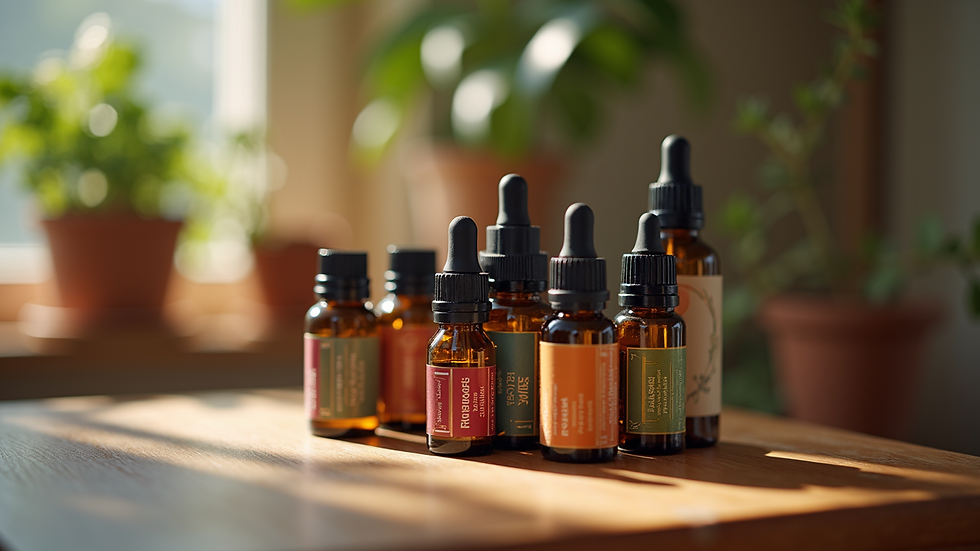
Aromatherapy utilizes the power of scent to influence mental and emotional health. Essential oils can enhance relaxation and reduce stress. Here are some soothing oils to consider:
Lavender: known for its calming properties.
Chamomile: promotes sleep and relaxation.
Bergamot: alleviates feelings of anxiety.
You can use essential oils in diffusers, during baths, or while practicing yoga.
7. Nature Walks
Spending time in nature can significantly boost your mood and reduce stress. Activities like walking or hiking allow you to connect with the environment, promoting mental clarity and relaxation. Here’s how to make the most of your nature walks:
Choose a scenic route—parks, forests, or beaches are ideal.
Take your time and be present. Observe the beauty around you.
Practice deep breathing and mindfulness during your walk.
Research indicates that spending time in natural environments can lower cortisol levels and improve overall mental well-being.
8. Journaling
Journaling can be a wonderful way to process thoughts and emotions. It helps to clarify feelings and reduce stress. Here’s how to get started:
Set aside time daily or weekly for journaling.
Write freely about your thoughts, gratitude, or experiences.
Reflect on what makes you feel relaxed and how you can incorporate more of it into your life.
Journaling not only aids relaxation but also enhances self-awareness.
9. Limiting Screen Time
Digital technology has become an integral part of our lives, but excessive screen time can lead to increased stress. Setting boundaries around your device usage can help your mind unwind. Here are some tips:
Designate ‘tech-free’ hours in your day.
Replace screen time with a book, hobby, or relaxation exercise.
Use apps that remind you to take breaks from screens.
Scientific findings support the idea that reducing screen time contributes to better mental health and relaxation.
Embracing Relaxation Techniques
Finding the right relaxation techniques can be a personal journey, but incorporating some of these practices into your daily life can profoundly affect your overall well-being. By recognizing stressors and actively working to manage them, you’ll likely find greater peace and relaxation.
As you explore these techniques, keep in mind the benefits of a Swedish relaxation massage as part of your stress management approach. Whether through professional sessions or at-home self-care, prioritizing relaxation is essential for maintaining a balanced life.
Ultimately, achieving ultimate relaxation requires intention and commitment to self-care. It can be a valuable investment in your mental and physical health. Start with small steps and gradually incorporate these practices into your daily routine. Soon, you'll unlock a newfound sense of calm and tranquility in your life.


Comments