
Mindfulness for Anxiety: How Meditation Can Help You Find Calm

Anxiety can feel overwhelming. It sneaks into your thoughts, making simple tasks seem daunting. But there is hope. I’ve found that practicing mindfulness and meditation can be a powerful way to ease anxiety and bring peace to the mind. If you’re looking for gentle, effective tools to manage stress, this post is for you.
Let’s explore how mindfulness and meditation can help you regain control, feel calmer, and live more fully.
What Is Mindfulness and How Does It Help Anxiety?
Mindfulness means paying attention to the present moment without judgment. It’s about noticing your thoughts, feelings, and sensations as they happen, rather than getting lost in worries about the past or future.
When anxiety strikes, our minds often race with “what if” scenarios. Mindfulness helps break this cycle by anchoring you in the here and now. Instead of fighting your anxious thoughts, you learn to observe them with kindness and curiosity.
Here’s why mindfulness is so helpful for anxiety:
Reduces rumination: You stop replaying stressful thoughts over and over.
Improves emotional regulation: You respond to feelings calmly instead of reacting impulsively.
Increases self-awareness: You recognize early signs of anxiety and can take action sooner.
Builds resilience: Over time, your mind becomes stronger and less reactive.
Practicing mindfulness doesn’t require special equipment or a lot of time. You can start with just a few minutes a day, anywhere you feel comfortable.

How to Practice Mindfulness for Anxiety Relief
Starting a mindfulness practice can feel intimidating, but it’s simpler than you might think. Here are some easy steps to get going:
Find a quiet spot: Choose a place where you won’t be disturbed for a few minutes.
Sit comfortably: You can sit on a chair or cushion, keeping your back straight but relaxed.
Focus on your breath: Pay attention to the sensation of air moving in and out of your nose or belly.
Notice your thoughts: When your mind wanders, gently bring your focus back to your breath without judgment.
Expand your awareness: After a few minutes, notice sounds, sensations, or feelings around you.
End with kindness: Before opening your eyes, take a moment to thank yourself for practicing.
Try to practice daily, even if only for 5 minutes. Consistency is key to seeing benefits.
Mindful Activities Beyond Sitting Meditation
Mindfulness isn’t limited to sitting still. You can bring it into everyday activities like:
Walking: Feel each step and the ground beneath your feet.
Eating: Notice the taste, texture, and smell of your food.
Listening: Fully focus on sounds around you without distraction.
Stretching or yoga: Pay attention to how your body moves and feels.
These simple moments of awareness can help reduce anxiety throughout your day.
The Role of Meditation in Managing Anxiety
Meditation is a formal practice that often includes mindfulness but can also involve other techniques like guided imagery or loving-kindness meditation. It trains your brain to stay focused and calm.
Research shows meditation can:
Lower cortisol, the stress hormone
Decrease symptoms of anxiety and depression
Improve sleep quality
Enhance overall well-being
One popular meditation for anxiety is the body scan. It involves slowly focusing on different parts of your body, noticing tension or discomfort, and consciously relaxing those areas. This practice helps you reconnect with your body and release stress.
How to Try a Simple Body Scan Meditation
Lie down or sit comfortably.
Close your eyes and take a few deep breaths.
Start at your toes and slowly move your attention upward.
Notice any sensations without trying to change them.
If you find tension, imagine breathing into that area and letting it soften.
Continue until you reach the top of your head.
Open your eyes gently and take a moment to notice how you feel.
Meditation apps and online videos can guide you through this and other practices if you prefer some support.

Combining Mindfulness and Meditation for Anxiety Relief
When you combine mindfulness and meditation, you create a powerful toolkit for managing anxiety. Mindfulness helps you stay present in daily life, while meditation builds your ability to calm your mind deeply.
If you’re new to these practices, start small:
Begin with 5 minutes of mindful breathing each morning.
Add a guided meditation session a few times a week.
Practice mindful walking or eating during your day.
Notice how your anxiety shifts over time.
Remember, progress is gradual. Be patient and gentle with yourself. The goal isn’t to eliminate anxiety completely but to change your relationship with it.
If you want to explore more, check out this helpful resource on mindfulness and meditation for anxiety.
Tips for Making Mindfulness and Meditation Part of Your Routine
Building a new habit can be challenging, but these tips can help you stay on track:
Set a regular time: Morning or evening works well for many people.
Create a dedicated space: A quiet corner with cushions or a chair can make practice inviting.
Use reminders: Set alarms or notes to prompt your practice.
Start with guided sessions: Apps like Headspace or Calm offer beginner-friendly meditations.
Be flexible: If you miss a day, don’t worry. Just start again the next day.
Join a group: Practicing with others can boost motivation and provide support.
By integrating mindfulness and meditation into your daily life, you’ll build resilience against anxiety and nurture your overall well-being.
Embracing a Holistic Approach to Wellness
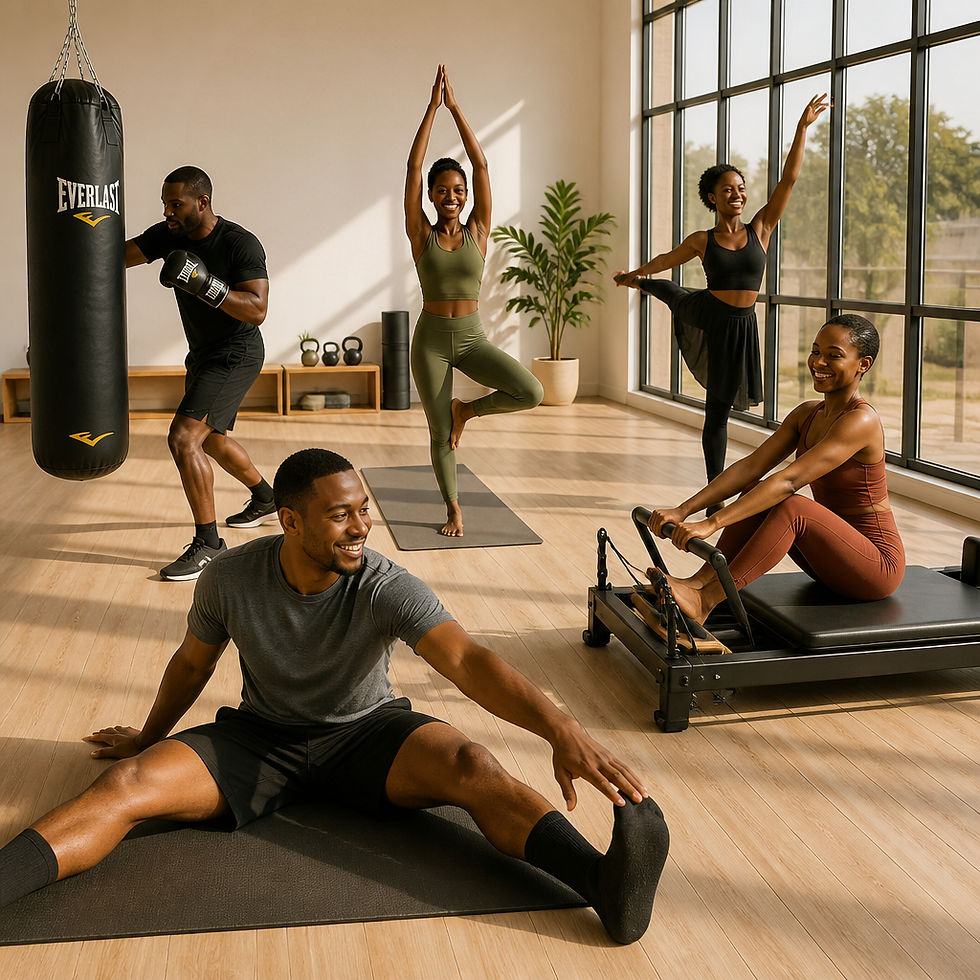
Mindfulness and meditation are powerful tools, but they work best alongside other healthy habits. At Ophil Wellness, we believe in combining physical fitness, nutrition, and mindfulness to support your whole self.
Here are some additional ways to enhance your anxiety relief journey:
Exercise regularly: Movement releases endorphins that improve mood.
Eat balanced meals: Nutrient-rich foods support brain health.
Get enough sleep: Rest is essential for emotional regulation.
Connect with others: Social support reduces feelings of isolation.
Explore wellness products: Aromatherapy, herbal teas, or calming supplements can complement your practice.
If you’re in Abuja and looking for a place that offers this holistic approach, Ophil Wellness is here to help you achieve your health goals with personalized support and quality products.
By embracing mindfulness for anxiety and incorporating meditation into your routine, you can create a calmer, more centered life. It’s a journey worth taking, and every small step counts. Start today, and watch how your mind and body begin to heal.


Comments